Building Safer Job Sites Through Online Flagger and Telehandler Skills Training
A single point of confusion on a busy worksite can change the style of an entire day. Traffic moves fast, machines respond instantly, and people react on instinct. That is why preparation matters more than speed. This article looks at how digital safety education strengthens decision-making before pressure arrives. The main focus stays on traffic control and equipment operation. Training done early builds calm later. Simple truth.
Managing Traffic With Clear Judgment
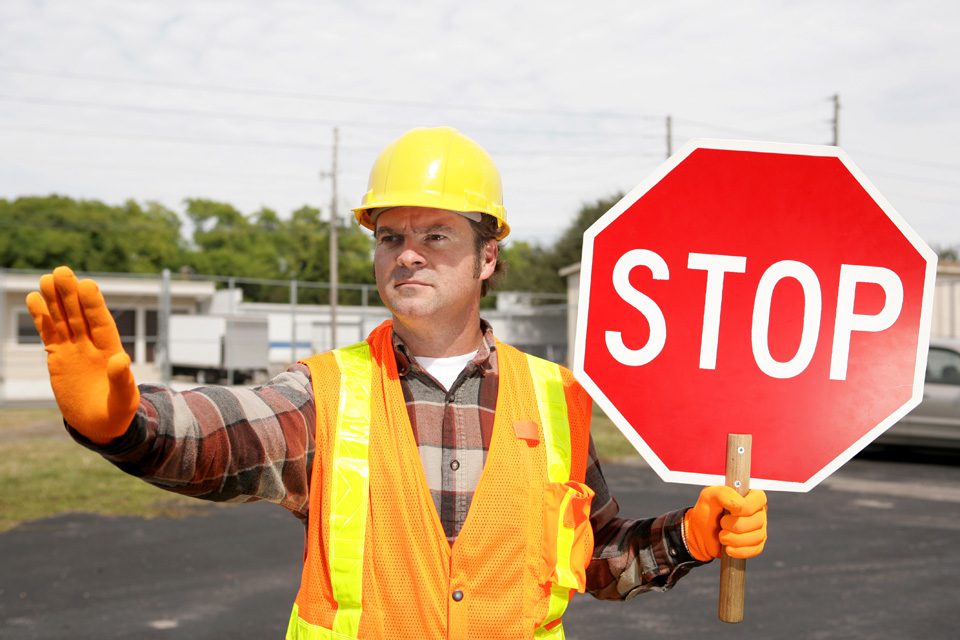
Roadside work places people inches from moving vehicles, and there is no room for doubt. Online Flagger Training introduces learners to proper signaling, awareness, and positioning before stepping into real traffic. Scenarios unfold clearly and gradually, allowing concepts to settle. This approach reduces panic and improves confidence. Workers understand not just what to do but why timing and posture truly matter.
Learning Safety Without Real Risk
Digital education offers breathing room. Online Flagger Training allows learners to pause, replay, and rethink lessons without danger. Concepts are absorbed through repetition, not pressure. This creates understanding that stays longer. When real traffic appears, reactions feel natural instead of rushed. The result is smoother control, clearer communication, and fewer sudden mistakes during active road operations.
Equipment Demands Respectful Handling
Heavy machinery requires calm focus and strong awareness. Telehandler Training Online helps operators understand load balance, reach limits, and movement consequences before touching controls. Lessons focus on visual learning and real examples. Operators build respect for physics and machine behavior. This foundation lowers stress and encourages smoother operation when actual lifting tasks begin on-site.
Digital Lessons Improve Machine Control
Flexibility supports better learning. Telehandler Training Online fits into real work schedules while keeping knowledge consistent. Operators revisit lessons as needed. This steady reinforcement sharpens judgment and reduces guesswork. When practice begins, movements feel intentional rather than experimental. Control improves because understanding came first before action ever started.
Shared Discipline Across Safety Roles
Traffic control and equipment handling rely on similar habits: awareness, patience, and anticipation. Training develops a shared mindset. Workers watch their surroundings more closely, communicate with intent, and slow down when needed. This quiet discipline strengthens trust between teams. Safer behavior becomes routine instead of enforced, creating calmer and more predictable job sites overall.
Choosing Training with Real Value
Not all courses leave an impact. Strong programs feel practical and grounded. Learners stay engaged because lessons reflect real challenges. Respect for the worker shows through clear instruction and thoughtful pacing. When education feels relevant, it sticks. Longer retention leads to fewer incidents and smoother daily operations across demanding environments.
Conclusion
Effective safety training shapes judgment before pressure appears and supports confident action on-site.
For trusted online safety programs and recognized certifications, visit safetraining.com. When flaggers and equipment operators train with purpose, sites operate with clarity rather than tension. Prepared minds respond better than rushed instincts, and safety becomes part of everyday work culture instead of an afterthought.
check out our site for more details.

Comments
Post a Comment